Guides
Guides
Getting started with the fan site and with the driving ideas it actually explains.
Getting started with over the hill
Start with the overview so the subject is clear: driving and outdoor exploration, discussed here as a Google Play game, on a site that does not speak for the people who make it. Then read Gameplay for pace and attention. If you want the short version, open Tips and expand one note at a time.
A guide on this site is an explanation of how to read the pages and how to approach an off-road drive in general. It is not a step path through a level, because no level order is confirmed here. It will not tell you a code, a hidden place, or a vehicle to unlock.
A question you want to keep
The form stores a message in this browser under the local storage key oth-notes, up to twenty recent copies. It does not transmit the message. After you save, the note on the form says exactly that. You can remove the copies with the button below.
Where to read next
Tips holds the accordion. Features lets you filter cards. Contact repeats the same kind of local save if you would rather write from that page.
Open TipsMessages saved on this device
Independent fan site
This is an independent fan website dedicated to over the hill. It is not affiliated with, endorsed by, or officially connected to the game's developers or publishers.
How a guide on this site is meant to be used
A guide here is an orientation, not a walkthrough. It tells you which page holds which idea, and it repeats the driving habits that can be stated without a confirmed control map: slow down for what you cannot see, read the surface, and learn the vehicle on easier ground. It does not list codes, hidden places, unlocks, or an ordered set of objectives. If a sentence would only be true if a mechanic had been verified, the sentence is left out. That is why the guide can be long without becoming a catalogue of inventions.
The form beside the guide is a tool for your own question. Submit it and the browser stores up to twenty recent copies under the local storage key oth-notes. The same action should open your email app with a draft to [email protected]. The draft includes the fields you typed. You send it. If the draft does not open, you can still write to that address yourself, call +44 20 3997 1391, or post to Hayes, Uxbridge, UB11 1FW, United Kingdom. Opening the draft is not delivery. A saved copy is not a ticket with the people who make the game.
What to put in the message
Name the page, name the question, and say whether you are asking about the fan site or about a driving idea the pages already discuss. Do not send payment details. Do not send a password. Do not ask the guide to confirm a feature it has already refused to name. A useful message is specific and modest. The privacy policy explains the local copy and the draft in more detail, including the fact that anyone who uses the same browser profile can read the saved list until you remove it.
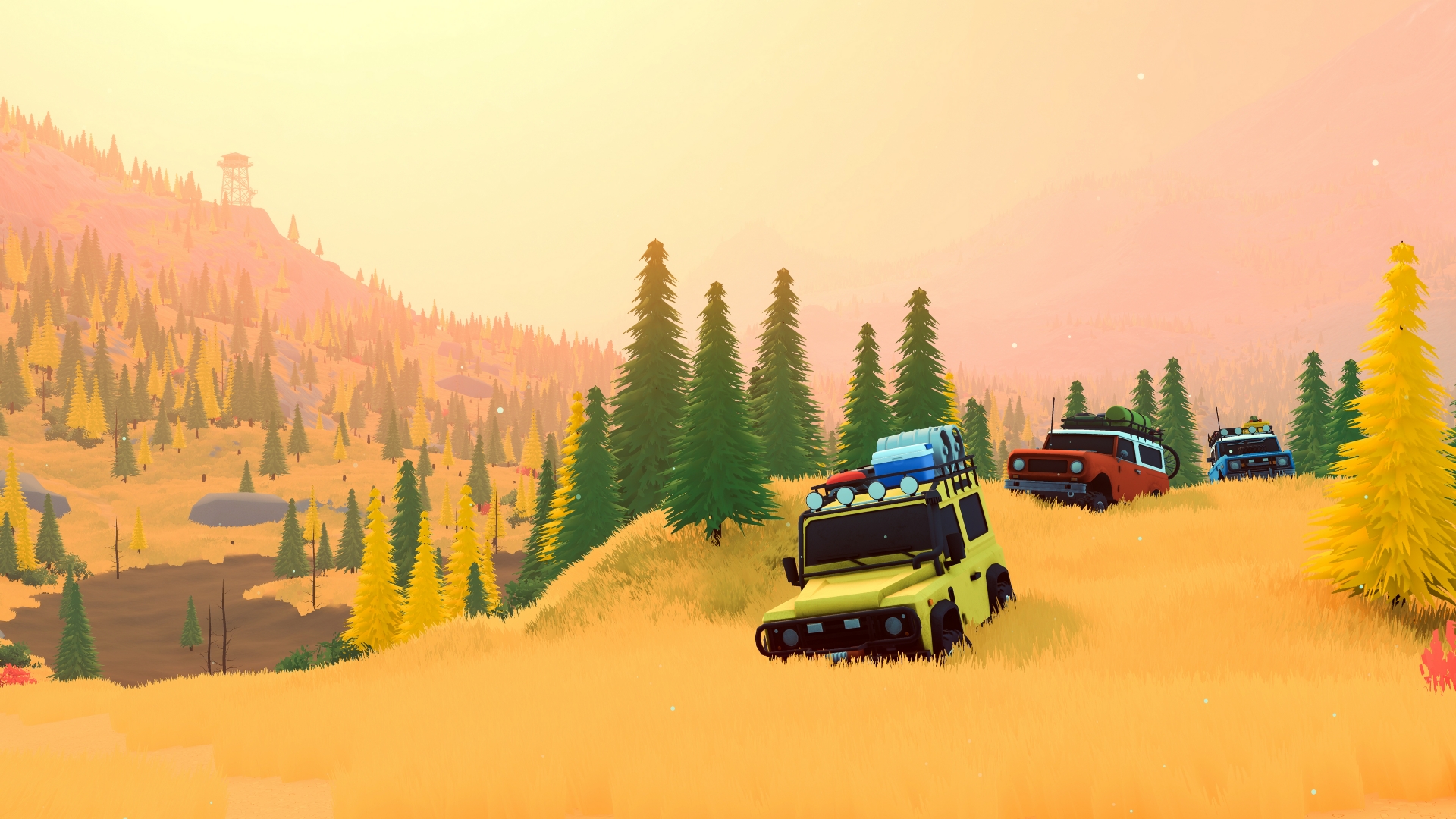
Read the guide once for the path through the site and a second time for the limit. The path is overview, gameplay, vehicles, exploration, tips. The limit is the set of things the path will not invent. Holding both in mind keeps a long page from feeling like a promise. The JPEG beside the form is another drawing of hills and a trail. It does not illustrate a step you must complete inside the game. When the list of saved messages grows, use Remove saved messages if the computer is shared. The email you already sent, if you sent it, stays in your mail program and may stay in the fan site mailbox. Deleting the local list does not recall that mail.
Guides and Tips are neighbours, not copies. Tips is the accordion, one note open at a time. Guides is the longer orientation plus the form. Features is the grid that can send you to either. If you arrived from a card labelled Fan Guides, you are in the right room. If you wanted only the short note, Tips is one link away. The footer on both pages carries the same Hayes address, the same phone, and the same independent notice, so the practical details do not change when the length of the reading changes.